
Implementing Best Practice Guidelines to Support the Person Moving to a Care Home (2026)
Key components for improving the transition experience for both residents and relatives.
Key components for improving the transition experience for both residents and relatives.
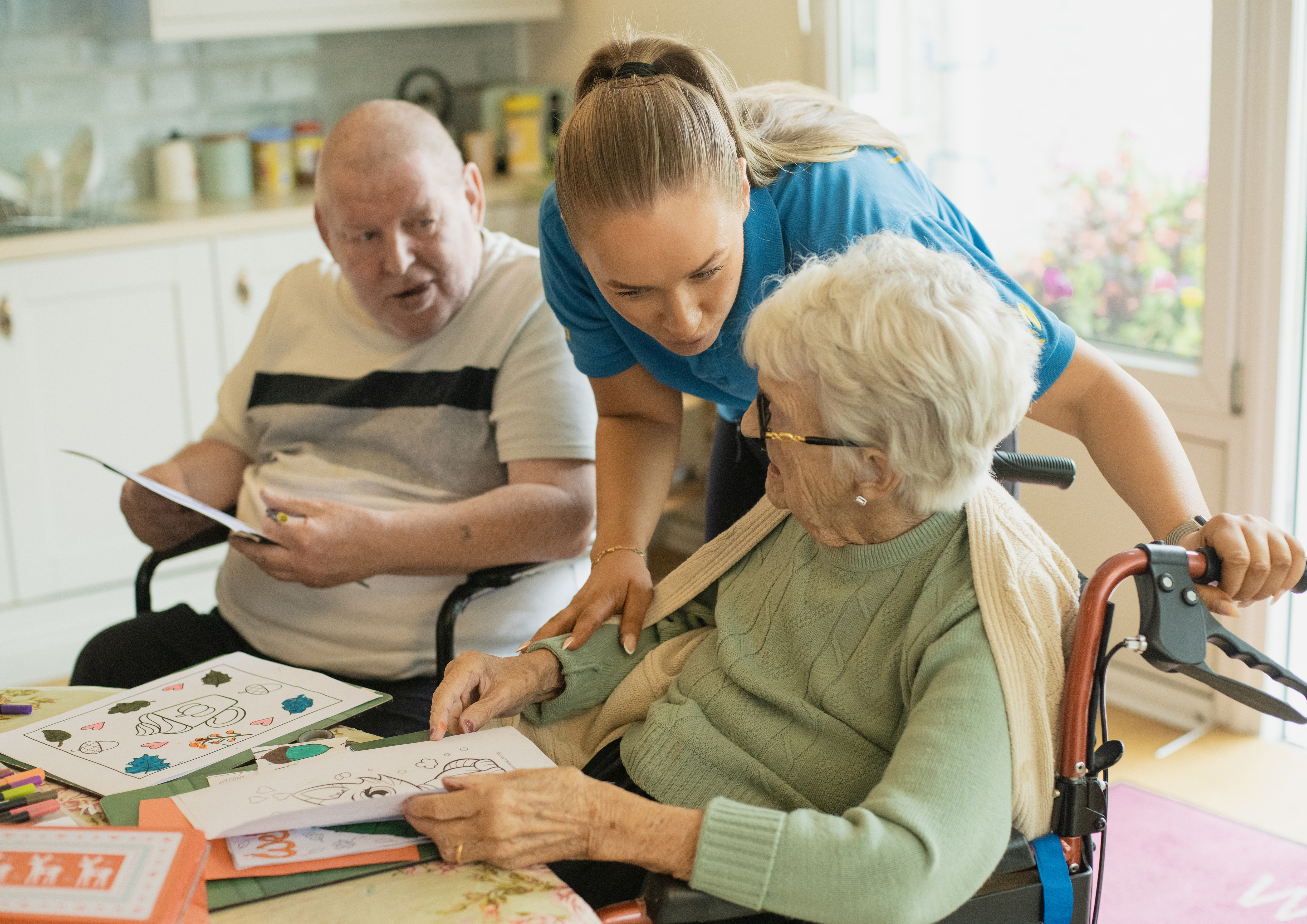
Implementing the best practice guidelines to support the person moving to a care home (2026).
Identify opportunities to enhance the transition process in accordance with best practice recommendations, with a focus on the psychological impact of transitioning into long-term care.
Objective:
To Work with patient client council to ensure the relatives voice is heard
Face-to-face pre-admission assessments were identified as a key component in improving the experiences of both residents and their relatives. Such conversations provide an opportunity for individuals to feel heard, reassured and included in the process. Equally important is ensuring that information gathered during these assessments is accurately communicated amongst the staff team, enabling person-centred care from the very moment of arrival.
recognised the importance of sensitively incorporating advance care planning discussions into the pre-admission process, with flexibility afforded to the assessor to determine the most appropriate timing and approach
Significant enhancements made to pre-admission documentation, with a particular emphasis on psychological support. New sections were incorporated to capture the care and support previously provided by families, alongside how they wished to remain involved following admission. In addition, space was created to document the circumstances surrounding the move, providing valuable context for staff and promoting a more personalised approach to care.
In some care settings prospective residents are encouraged to attend activities, social gatherings and afternoon tea sessions, allowing them to meet residents and staff before moving in. Where such visits are not feasible, Cohort 32 introduced a variety of visual resources, including welcome packs, brochures, videos and virtual tours, enabling individuals and families to make informed decisions with greater confidence and reassurance.
Staff Training: Building Understanding and Compassion
Recognising the pivotal role staff play in supporting transitions, training programmes were developed to focus on the psychological impact of moving into long-term care.
Training explored themes such as relocation stress syndrome, anxiety, loneliness, restlessness and feelings of hopelessness that can accompany such a significant life event.
Education was delivered through induction programmes, flash meetings, team meetings and opportunistic conversations during handovers and corridor chats.
Training also strengthened staff understanding of the importance of first impressions and reinforced the need to support residents through a gradual process of adjustment rather than expecting them to settle immediately into unfamiliar surroundings.
Residents reported heightened feelings of anxiety and worry during the transition process, often resulting from limited information sharing and fragmented admission processes. Families described the experience as impersonal at times and reported feeling insufficiently involved in decision-making. Furthermore, a surprising number of staff members were unaware of the Best Practice Guidelines, highlighting a clear need for greater awareness and education across care teams.
Residents report positive experiences of admission, forming meaningful connections with fellow residents and staff while establishing a strong foundation for their physical, emotional and psychological well-being. Settling-in times have reduced, accompanied by a decline in admission-related complaints.
Families describe feeling listened to, valued and fully involved throughout the process. Such involvement has alleviated many of their own anxieties whilst fostering genuine partnership and co-creation with care staff.
Staff, in turn, report feeling more informed, empowered and appreciative of the crucial role they play in supporting successful transitions.
Most importantly, the training has deepened understanding of the profound emotional and psychological impact associated with moving into long-term care and reinforced the difference compassionate, informed support can make during this pivotal chapter of a person's life.
International staff reflected that the emotions experienced by new residents often mirrored the feelings they themselves had experienced when relocating work in UK. This observation prompted rich conversations and increased curiosity amongst teams about the emotional impact of major life transitions.
Interestingly this cohort chose to present the QI in a novel way at the completion celebration day. They used a ‘Bridgerton’ theme and Lady Whilstdown narrated the story of the QI development.
Research project ongoing to collect impact for residents who have moved into care homes who have implements aspects of the guidelines.
Best Practice Guidelines